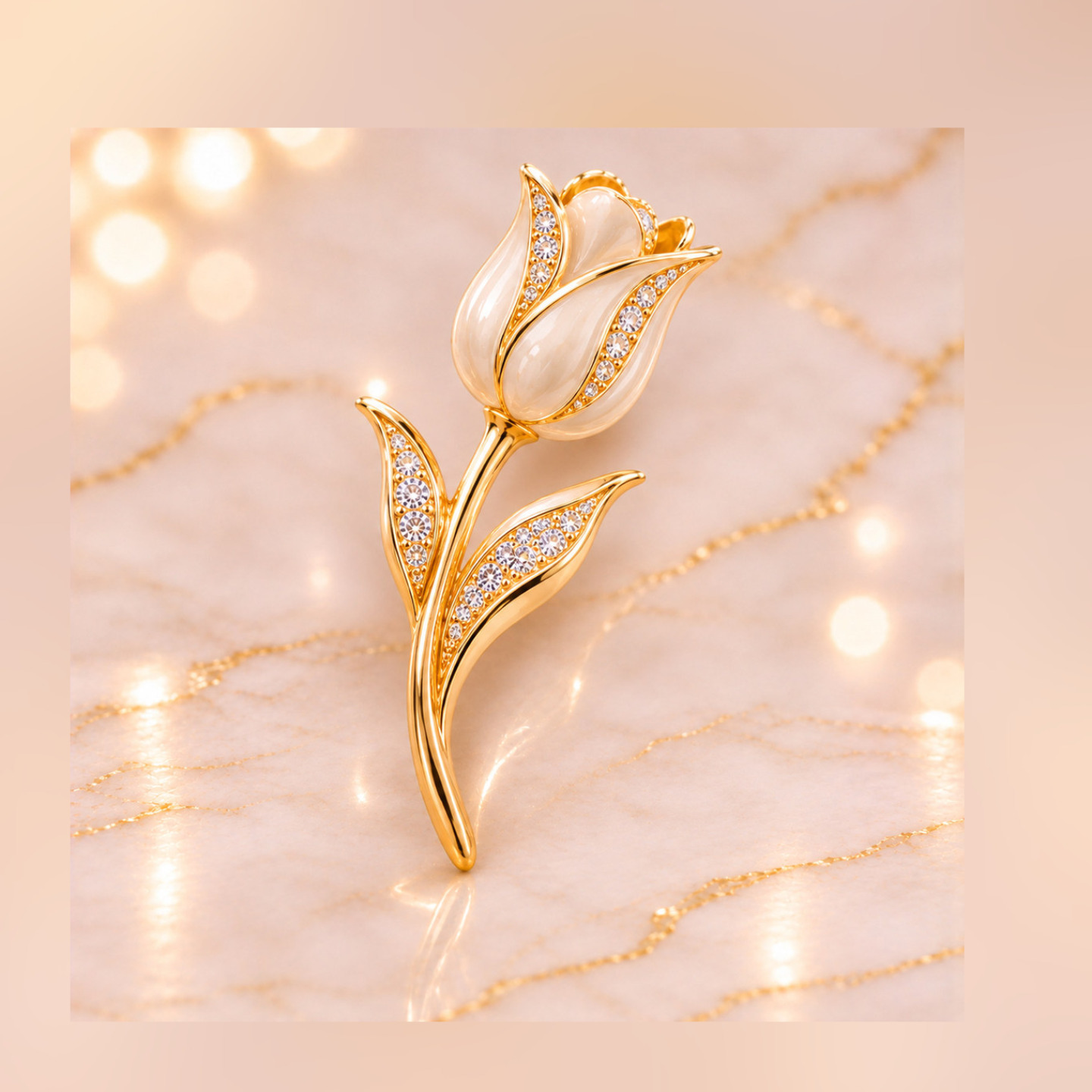
The tulip is the flower that brings spring. Its clean, cup-like shape makes it one of the most elegant motifs in jewellery.
From the East to the sultan’s court
Wild tulips come from the mountains of Central Asia. The Ottomans grew them in the sultans’ gardens and painted them on ceramics, textiles and jewels. The word for tulip in Bulgarian, “lale”, comes from Persian through Turkish. The early 18th century in the Ottoman Empire is even remembered as the “Tulip Era”.
Tulip mania in Holland
In the 17th century tulips reached Holland and became so desired that a single bulb could cost more than a house. This “tulip mania” collapsed in 1637 and is seen as one of the first financial bubbles in history. Holland, however, has remained the land of tulips to this day.
Symbolism
According to a Persian legend, red tulips sprang up where the tears of the lovelorn Farhad fell. That is why the tulip is linked with:
- perfect and sincere love;
- spring, renewal and new beginnings;
- joy and good cheer (the yellow tulip);
- изяществото и нежност.
The tulip in jewellery
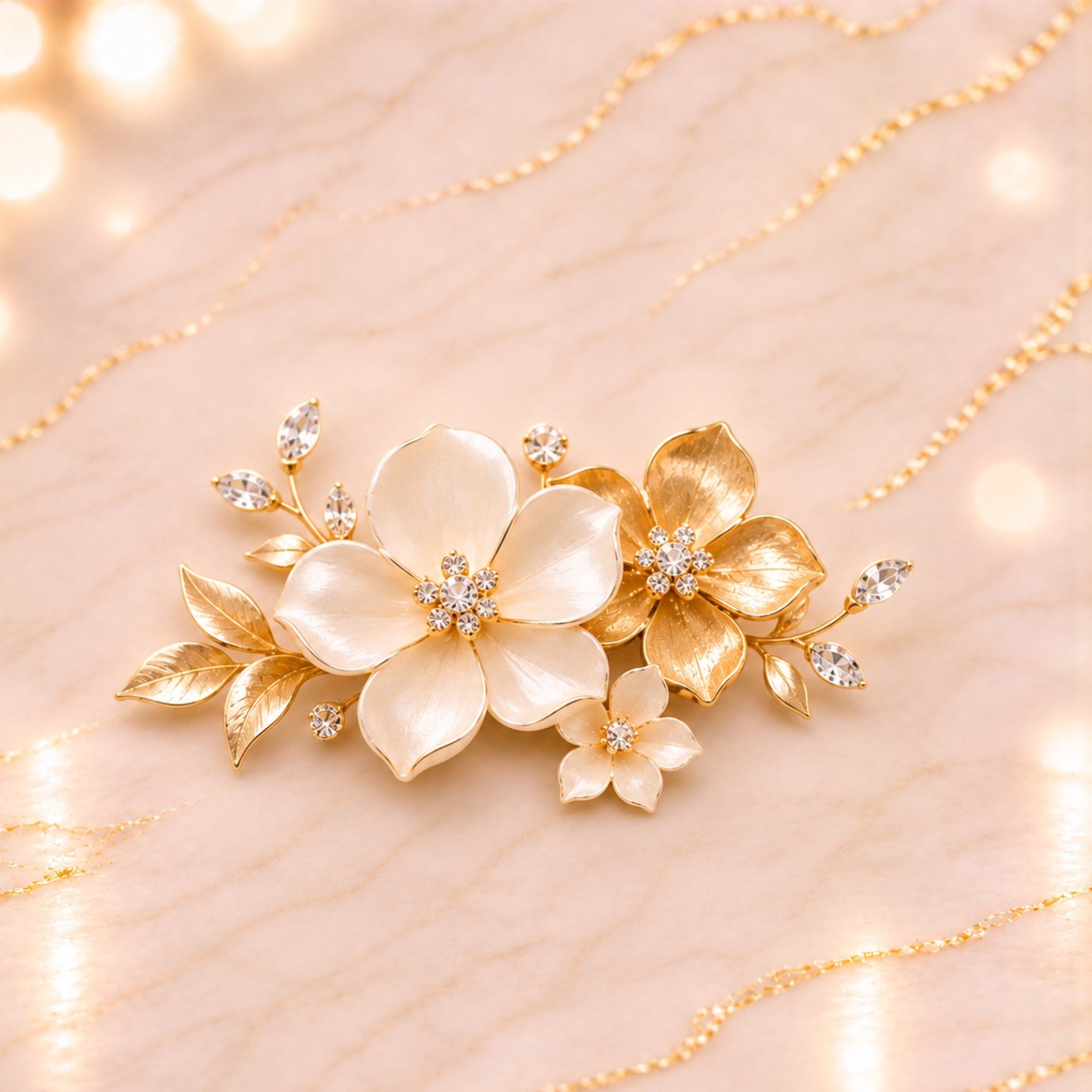
The tulip is delightful in earrings, pendants and brooches – with enamel, crystals or in gold. A tulip jewel is a lovely gift for a spring holiday, for Women’s Day or for someone starting something new.