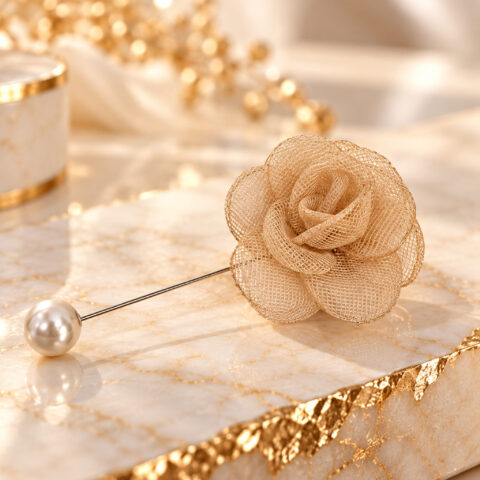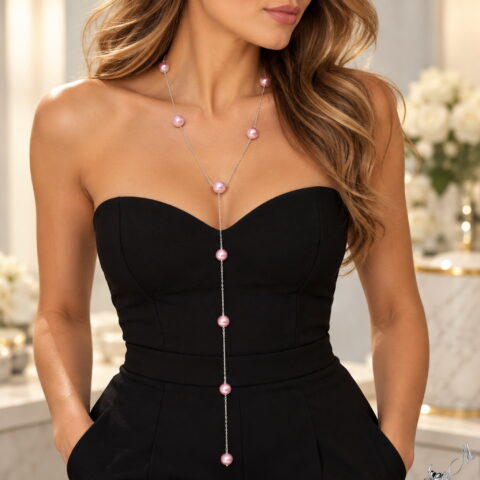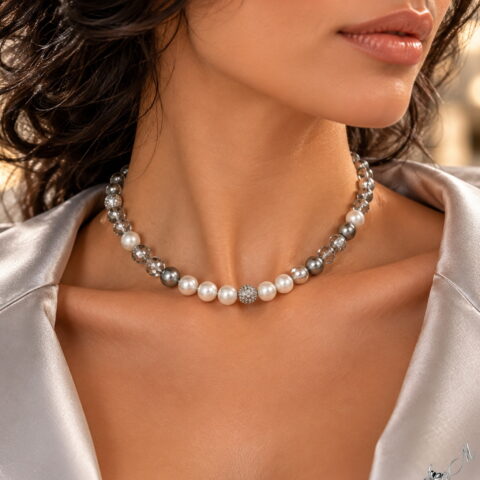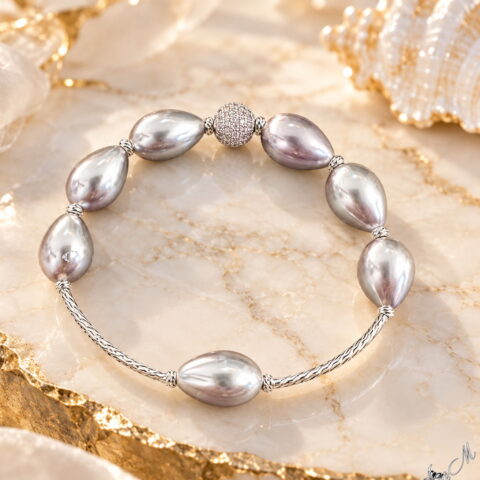
The pearl is the only precious "stone" that is not mined from the earth but created by a living creature. It forms when a grain of sand or another tiny particle gets inside a mollusc and starts to irritate it. To protect itself, the mollusc coats the intruder layer after layer with nacre – the same substance that lines the inside of its shell. Over the years this builds up into a smooth, lustrous pearl.
Natural, cultured and Majorca-style pearls
People have worn pearls for thousands of years. For centuries they could only be gathered from the depths of warm seas – off India, Sri Lanka, the Persian Gulf and in the Red Sea – and pearl diving was an extremely dangerous trade. That is why natural pearls were a privilege of rulers.
The first attempts at cultivation were made in China as early as the 13th century. The real breakthrough came in Japan at the beginning of the 20th century, and later with freshwater pearl mussels. Today over 90% of the pearls on the market are cultured: a person places the nucleus, but the pearl is still built by the mollusc itself, layer by layer.
Majorca-style pearls are something else – they are man-made, with a glass core and a coating that imitates nacre. They are beautiful, even in shape and colour and far more affordable, which makes them a favourite for formal necklaces and earrings.
Colours and symbolism
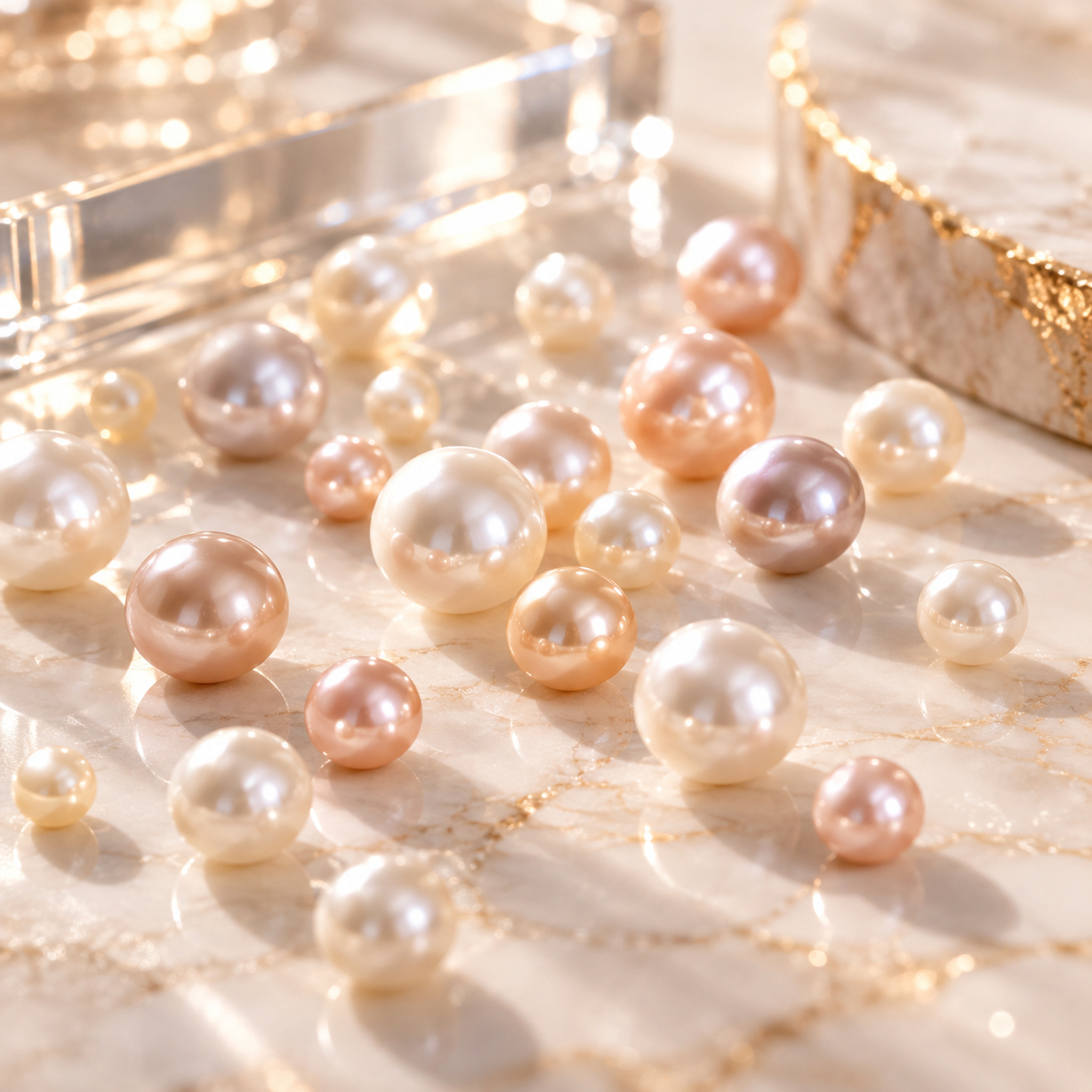
The best-known colour is white with a pink overtone, but pearls can also be cream, golden, silver, grey, green and even black. In Ancient Rome they were a sign of power and wealth, and for women – bringers of happiness. In India pearls were worn as talismans, and in many cultures they remain a symbol of purity to this day, which is why they are a traditional gift for a bride.
How to care for pearl jewellery
Nacre is soft and delicate. Put your pearls on last – after perfume, hairspray and creams – and take them off first. Wipe them with a soft dry cloth and store them separately from other jewellery so they do not get scratched.