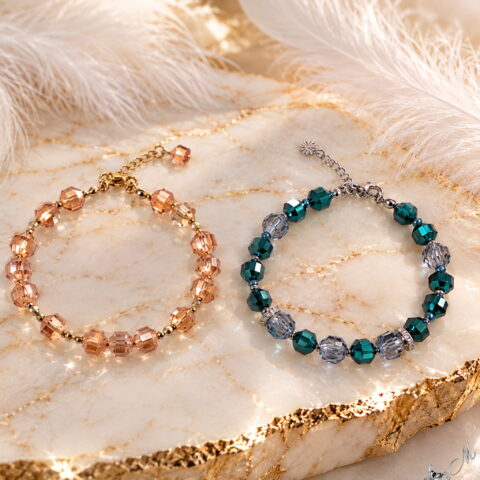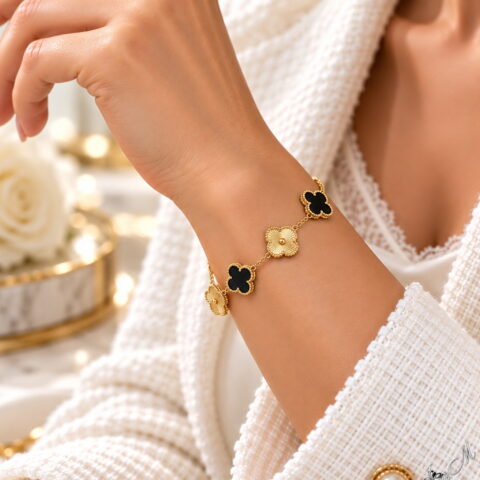
Surgical steel has won a leading place in jewellery making – beautiful, ever finer and at the same time extremely durable pieces.
What surgical steel is
"Surgical" (medical) steel usually means stainless steel of grade 316L. Besides iron it contains chromium, nickel and molybdenum. The chromium forms an invisible protective layer on the surface that protects the metal from rust and oxidation. The letter L stands for low carbon content – which makes the steel even more resistant. The same material is used for medical instruments – hence the name.
Why it is so good for jewellery
- It does not tarnish or rust – unlike silver and alloys;
- It resists water, sweat, sun and sea water;
- It contains no lead;
- It is strong and does not bend easily – the jewellery lasts for years;
- It suits most people with sensitive skin, because the nickel in it is tightly bound and is hardly released. People with a confirmed strong nickel allergy should still be careful.
The colours
The natural colour of steel is silver. Gold, rose gold and black pieces have a special thin coating (PVD), which is much more durable than ordinary gold plating but still needs gentler handling.
How to care for it
- Do not spray perfume or hairspray directly onto your jewellery;
- Silver-tone steel can get wet without any problem; gold and rose gold pieces are best taken off before swimming, bathing and sport;
- Clean with a soft cloth and, if needed, with warm water and mild soap, then dry;
- Store pieces separately so they do not scratch.
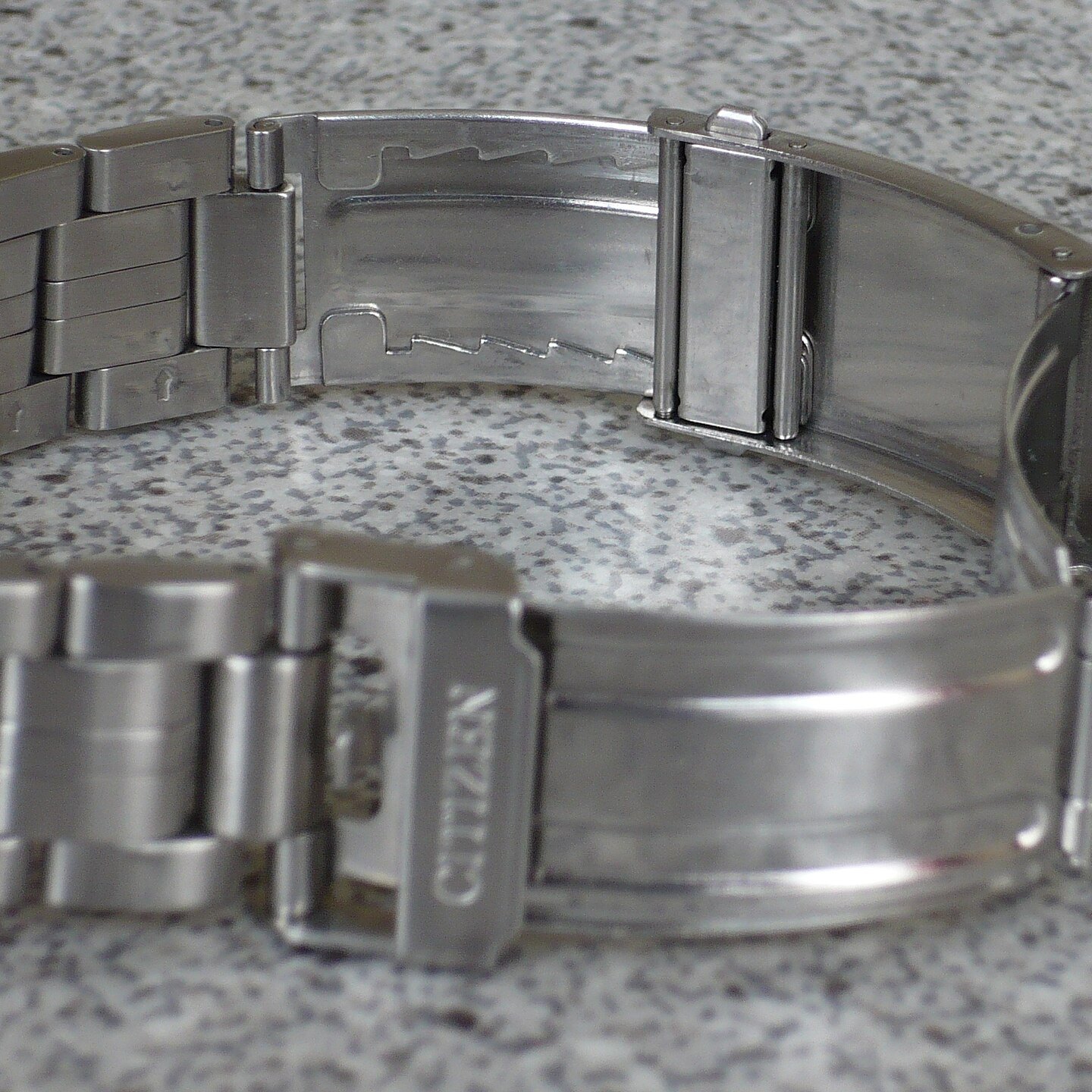
Photo: Francis Flinch, Public domain, Wikimedia Commons